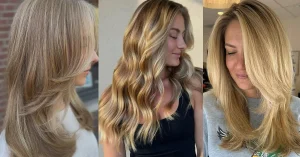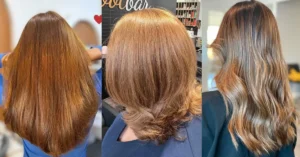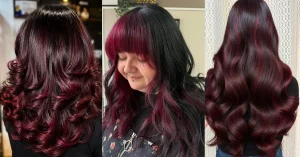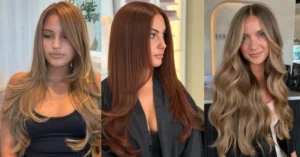
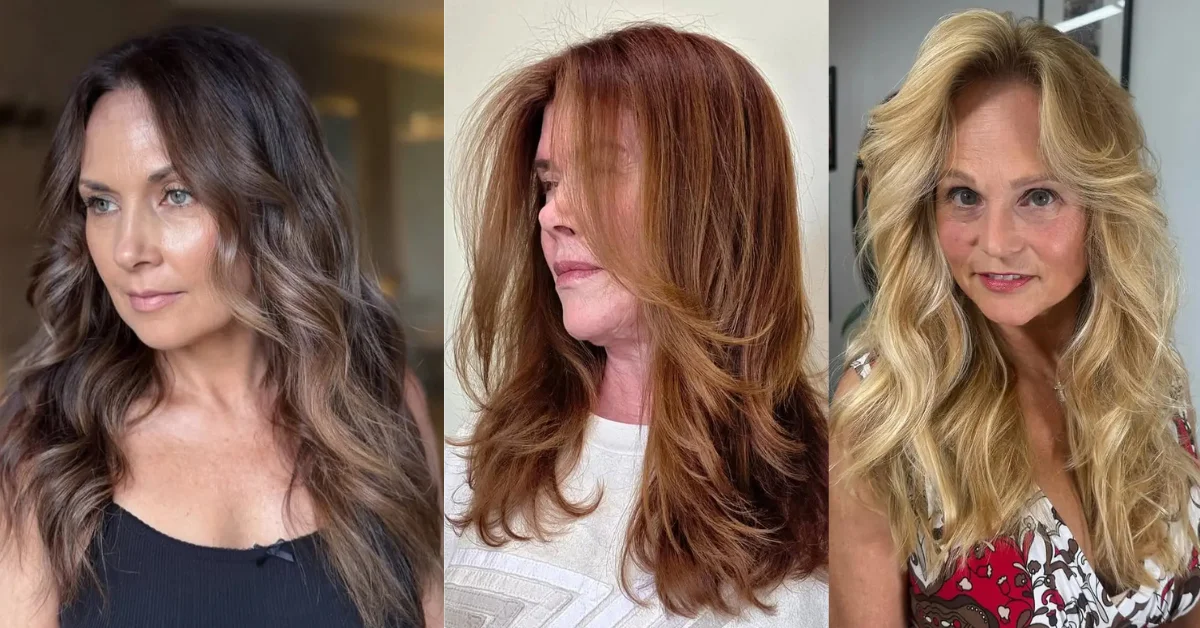
A color might look great in the salon but not work as well next to your face at home. Hair color mistakes that make you look older usually aren’t about picking the wrong shade name. More often, it’s about too much contrast, not enough warmth, visible roots, or hair that’s lost its shine. As skin changes over time, it can lose pigment, show redness more easily, and look tired next to a color that used to suit you. Even if the color is trendy, the same brunette, blonde, or red can start to highlight fine lines, dark circles, and uneven skin tone.
Think of this post as a mirror check, not a set of strict rules. Dark hair is still an option. Blonde isn’t always the answer. Gray doesn’t have to be a problem. The main goal is to choose a shade, depth, and placement that keeps light moving around your face. Start by reading the self-check, spot the one or two issues that sound familiar, and try the suggested fix. Most people don’t need a big change. Usually, just softening your color by a level, adding a bit of warmth, creating some fine highlights, or blending the roots can make a big difference.
The 60 Second Mirror Check
Stand near a window in natural daylight, without filters or salon lighting. Check the hair around your face first.
Does your hair look much darker or lighter than your face?
Does your skin look gray, yellow, red or flat?
Does your hair lack lighter and deeper tones?
Can you see a harsh line between your color and new growth?
Do the front sections look darker than the rest?
Do your ends look dry or lifeless after styling?
Two or more yes answers point to the mistakes below. Start with the earliest matching section, because one problem often creates the next. A too dark shade makes regrowth harsher. A flat shade makes damage easier to see. An ashy tone can make a pale blonde look even more washed out. Fix the cause first, then judge whether you still need a bigger color change.
How Each Fix Is Built
Each fix below changes at least one of four things: level, tone, placement, or condition. Level is how light or dark the hair is. Tone is whether it’s warm, neutral, or cool. Placement is where the light and depth are, especially near your face and at the roots. Condition is whether your hair can reflect light and keep an even tone.
When you talk to a colorist, mention the lever and the shade. You can ask for a base that’s one level softer, a tone that’s a step warmer, brightness closer to your face, or a blended root for a softer grow out. Using this language helps keep a small change from turning into a whole new look.
1. Jumping Too Far From Your Natural Shade
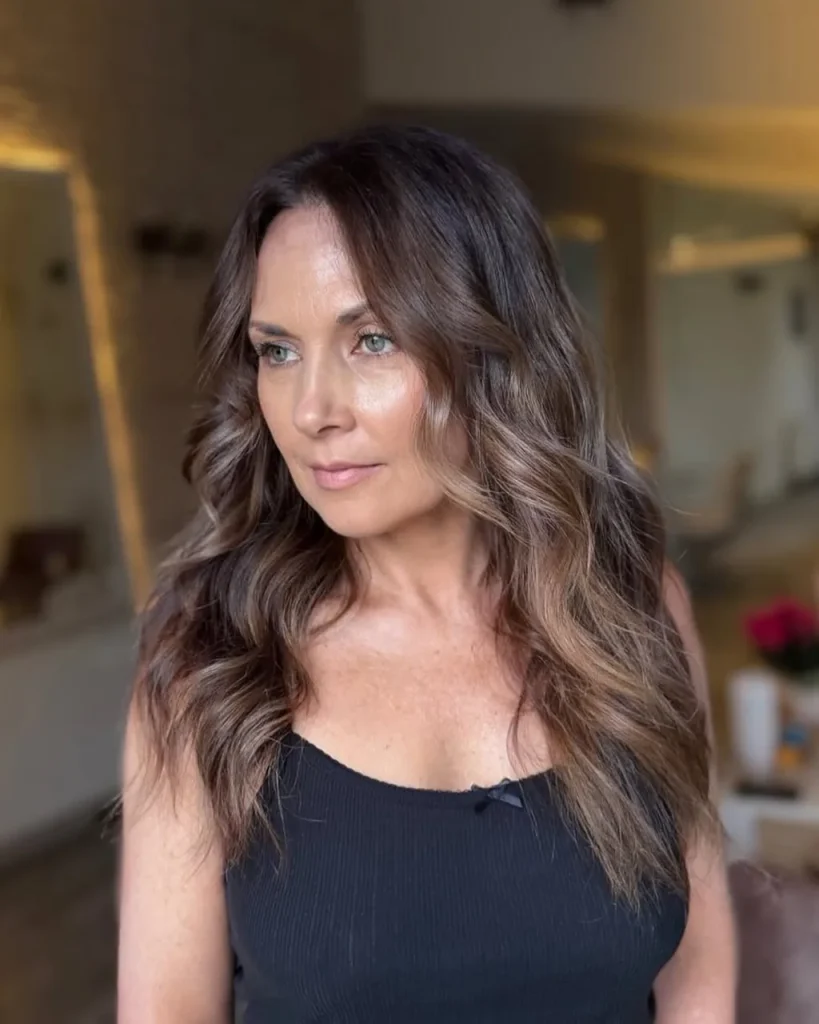
A big change in color can look exciting at first, but soon it might feel like you’re wearing a costume. If your new color is very different from your natural shade and tone, your face has to work harder to match it. Your brows, skin tone, and natural roots may not blend well with the new color.
The strong contrast can make lines look sharper instead of softer, and regrowth shows up clearly. This is a common hair color mistake that can make you look older, even if the shade looks great on someone whose natural coloring is closer to it.
The Fix
Move in a shorter step. Stay within about two levels of your natural base for the first change. Borrow the detail you love, such as copper warmth, chocolate depth or golden light, without going extreme. A dimensional chocolate that respects your brunette base looks richer and more natural. Live with the softer shade through one full grow-out before going further.
2. Going Too Dark for Your Face Now
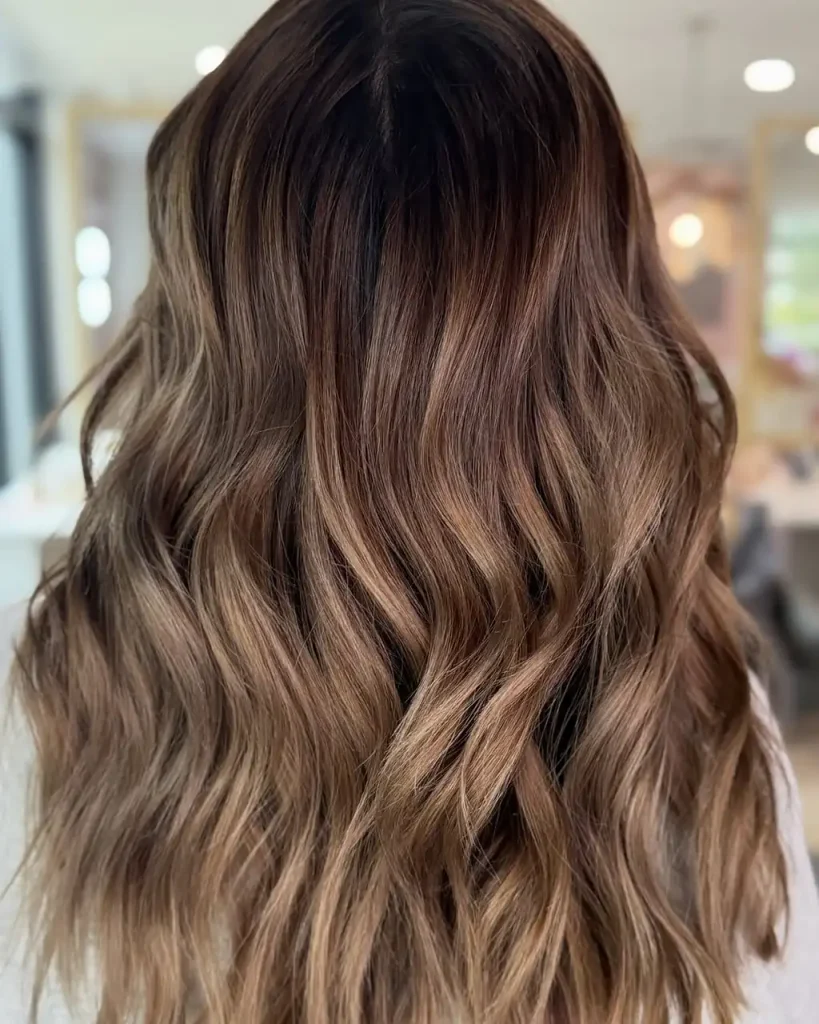
Very dark, solid color can outline your face in a harsh way. If your skin has become lighter or thinner over time, this outline can cast shadows under your eyes and make fine lines stand out more.
Flat black and very dark browns also show silver roots quickly, making the color look harsh and hard to maintain. The issue isn’t dark hair itself, but having depth without any softness, especially if the shade is darker than what suits your face now.
The Fix
Keep the brunette mood, but lift the base by one or two levels and let lighter threads move through it. The softer result in our light chocolate brown hair color ideas shows how depth stays while the face gets a gentler frame. Ask for chocolate, chestnut or soft espresso rather than blue black, and keep the pieces beside the cheeks a touch lighter than the back.
3. Going So Light That Your Features Fade
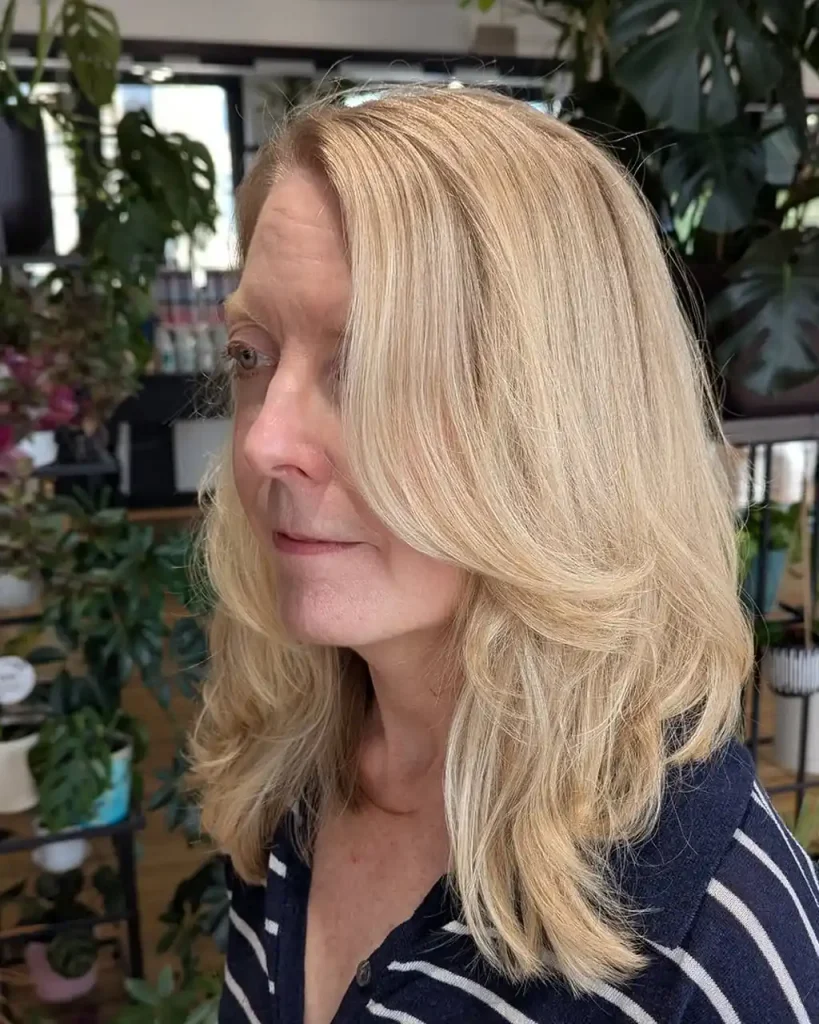
The opposite mistake is going so bright that your hair and skin almost blend together. Very pale, solid blonde can take away the natural contrast that makes your eyes, brows, and cheekbones stand out.
In photos, your face might look washed out, even if the blonde looks fresh and high-quality. This usually happens when the roots, lengths, and front sections are all lifted to the same pale shade, leaving no depth for the lighter parts to stand out.
The Fix
Keep blonde, but rebuild its frame. Golden-hour blonde adds warmth, a slightly deeper root and brighter ribbons around the face. This restores contrast without taking you back to brunette. If you have very fair skin, keep the front bright and place depth around the crown and underneath. The added shadow brings your features back into focus.
4. Letting Ash Drain the Warmth From Your Skin
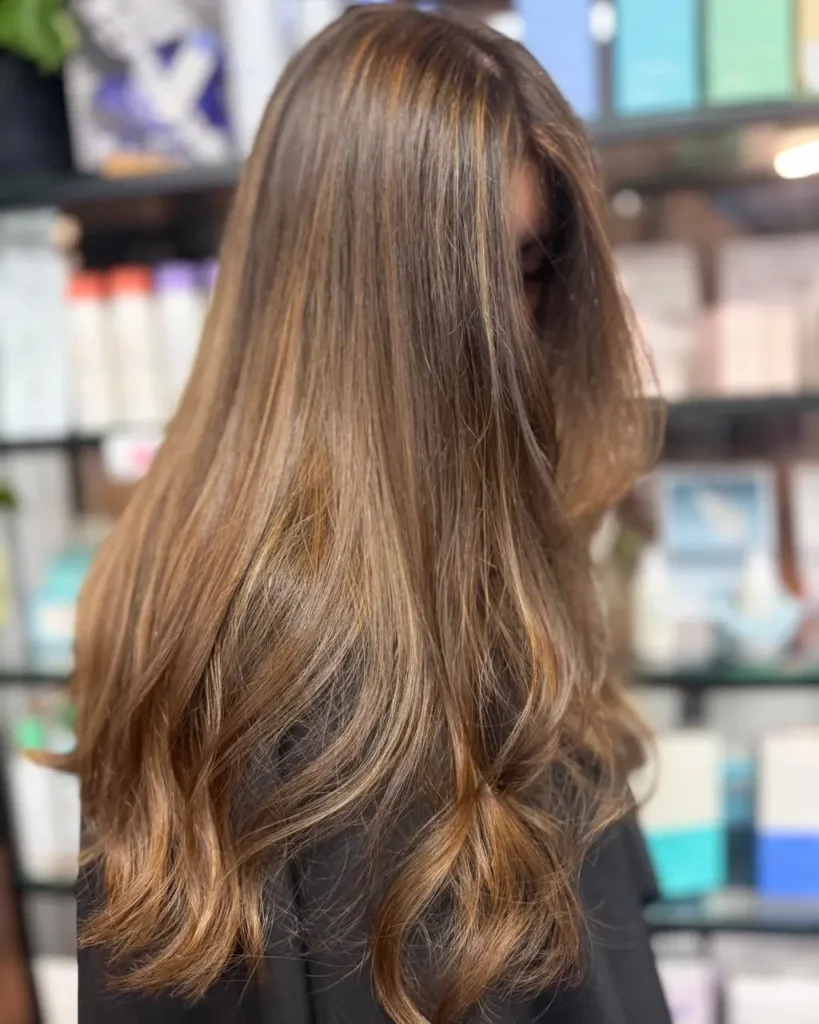
Ash tones can work well, especially if you have naturally cool coloring, but a gray-based shade on the wrong skin can quickly take away warmth. Your face might look dull, sallow, or tired, almost as if the color has drained the life from it.
Ash blonde, ash brown, and icy silver can also look similar to gray hair in daylight, which is why this is a subtle hair color mistake that can make you look older. The hair isn’t too light or too dark—it’s just too cool for your skin.
The Fix
Add warmth in a controlled way. Honey, caramel, cognac and soft gold can warm your hair without turning it orange. For inspiration, compare our toffee honey brown hair color ideas , then ask your stylist to add similar warmth to your current shade. If you love cool colors, keep a neutral base and warm only the face-framing pieces first. Check the result in daylight before warming your whole head.
5. Choosing a Tone That Fights Your Undertone
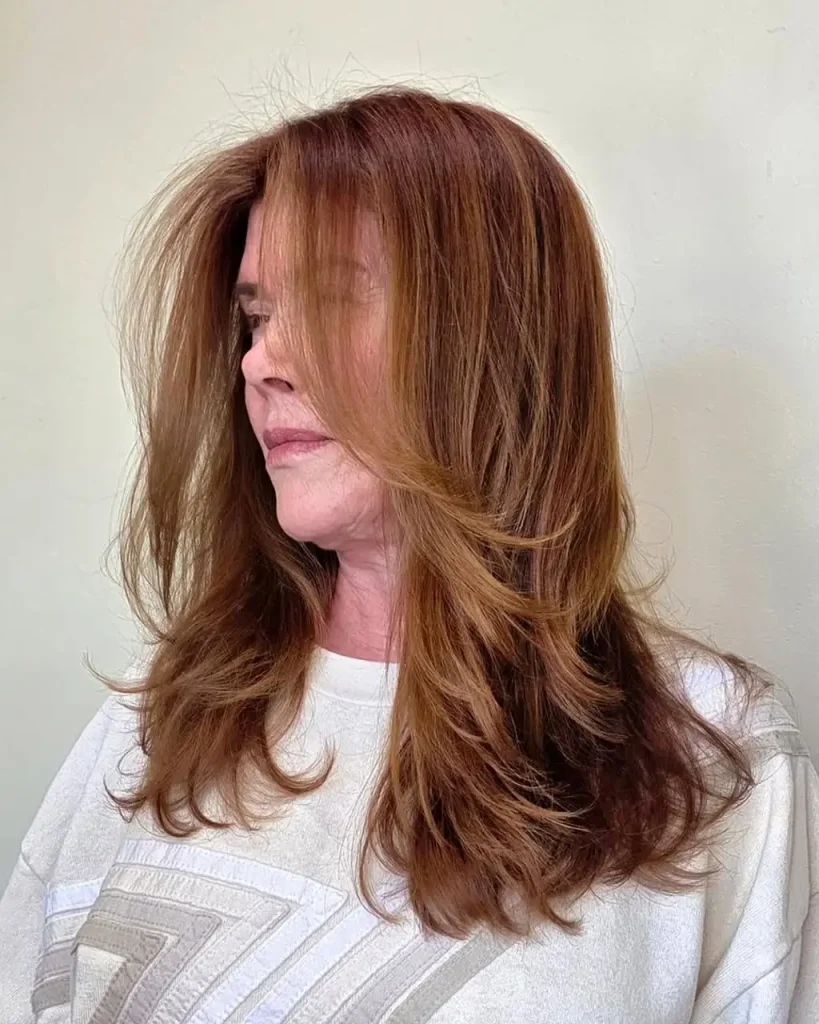
A color can be the right level but still look off if its undertone clashes with your skin. Warm skin next to a blue-based red may look too flushed. Cool skin next to a strong orange copper may look uneven.
Golden skin with gray ash can look muddy, and pink skin with yellow blonde can look even more red. When the undertone doesn’t match, you might need more makeup, and your hair never quite blends in with your face.
The Fix
Match your skin’s temperature before choosing a trend. Warm auburn brunette adds glow because its red warmth is grounded in brown. For cool skin, choose a brown- or wine-based red with deeper tones around the face. For warm skin, try copper, cinnamon or golden auburn. Bring one salon photo for the tone and another for the depth, since both need to be considered separately.
6. Wearing One Flat Color From Root to Tip
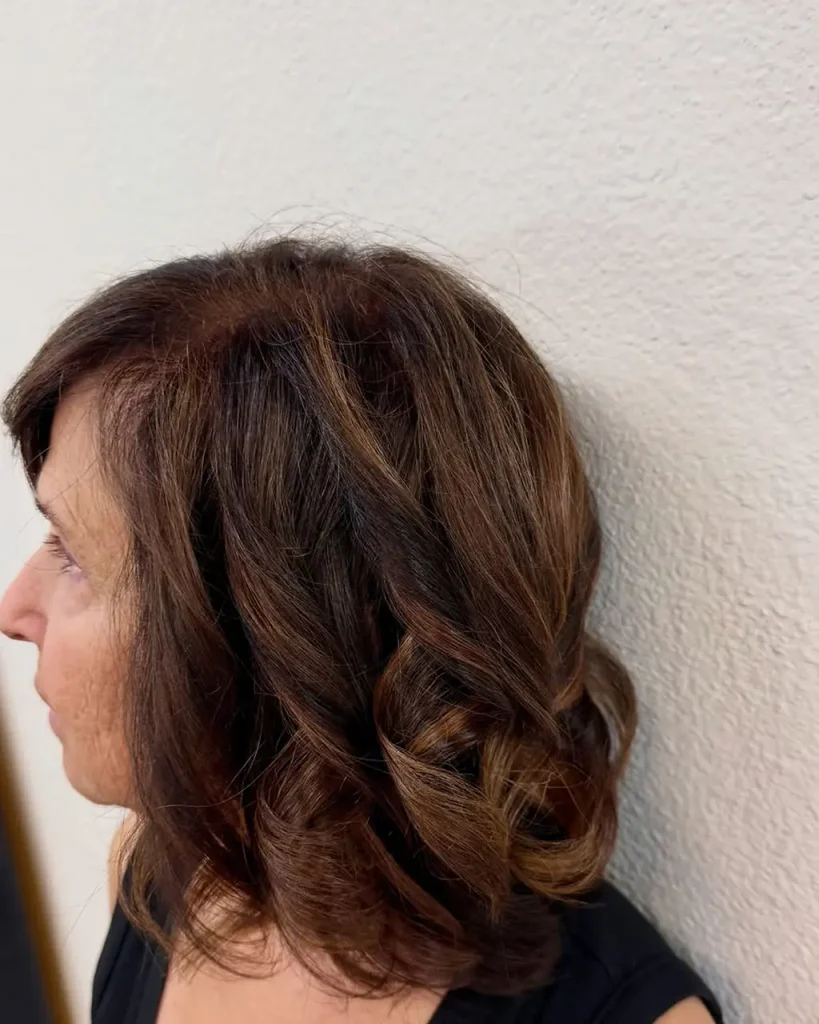
Natural hair isn’t the same color all over. Sun, texture, and growth create small changes from root to tip. Using one solid dye can cover up those changes and make your hair look flat, almost like a helmet.
Hair can seem heavier, thinner, and less lively, and your face loses the soft light that makes color look youthful. Flat color can be especially aging on long hair, where a big, unbroken section draws attention down and highlights every dry end.
The Fix
Ask for movement, not stripes. Fine highlights, lowlights and a slightly deeper root can add natural dimension while keeping your overall shade. Our warm honey brown hair balayage shows how honey pieces can lift brunette depth. Keep the change subtle: two closely matched tones often look softer and more polished than one solid color.
7. Keeping Chunky Frosted Highlights
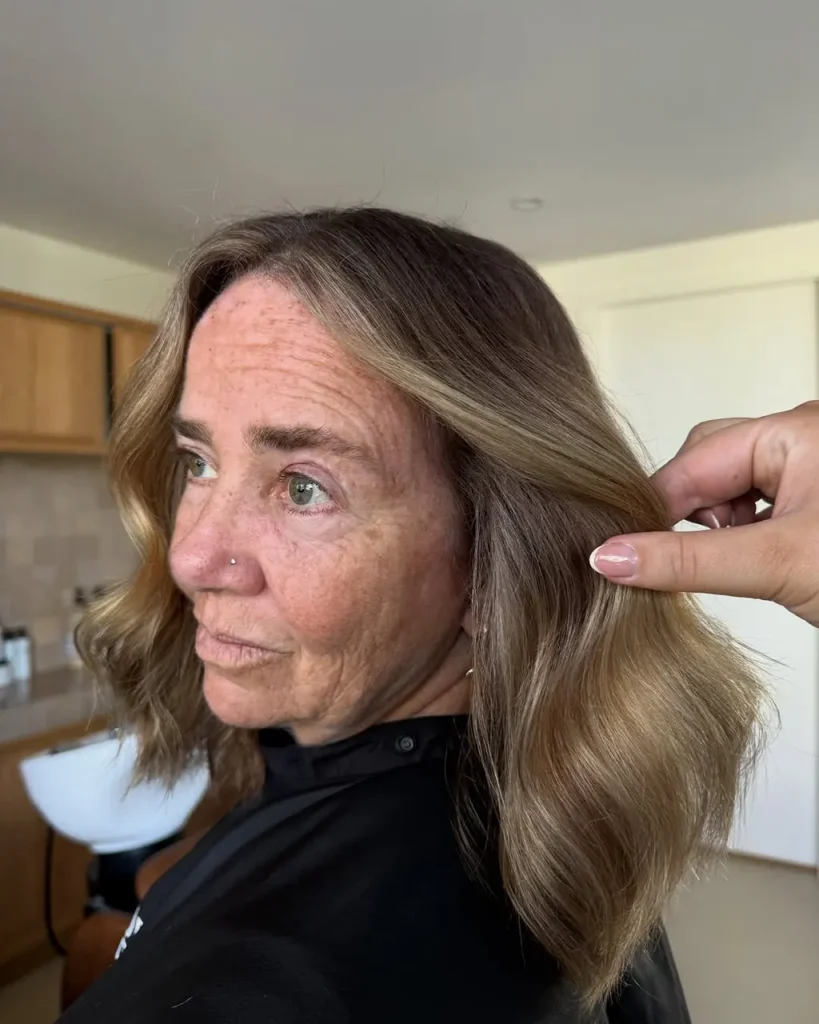
Thick, evenly spaced highlights are tied to a certain beauty era. When pale stripes sit in neat rows over a much darker base, people notice the pattern before they notice your face.
Frosted tips and high-contrast streaks can also make hair look dry, since the lightest parts are usually the most processed. The overall look can feel outdated, even if your base color is modern.
The Fix
Break chunky bands into fine, uneven ribbons. Ask for babylights, foilayage or a soft face frame with highlights that vary in size and placement. Keep some of your base color visible between them. Fine caramel pieces around a glossy chocolate base create softer, more natural-looking brightness. If your highlights are already chunky, one blending appointment can soften the pattern without changing your entire color.
8. Letting Gray Roots Form a Hard Line
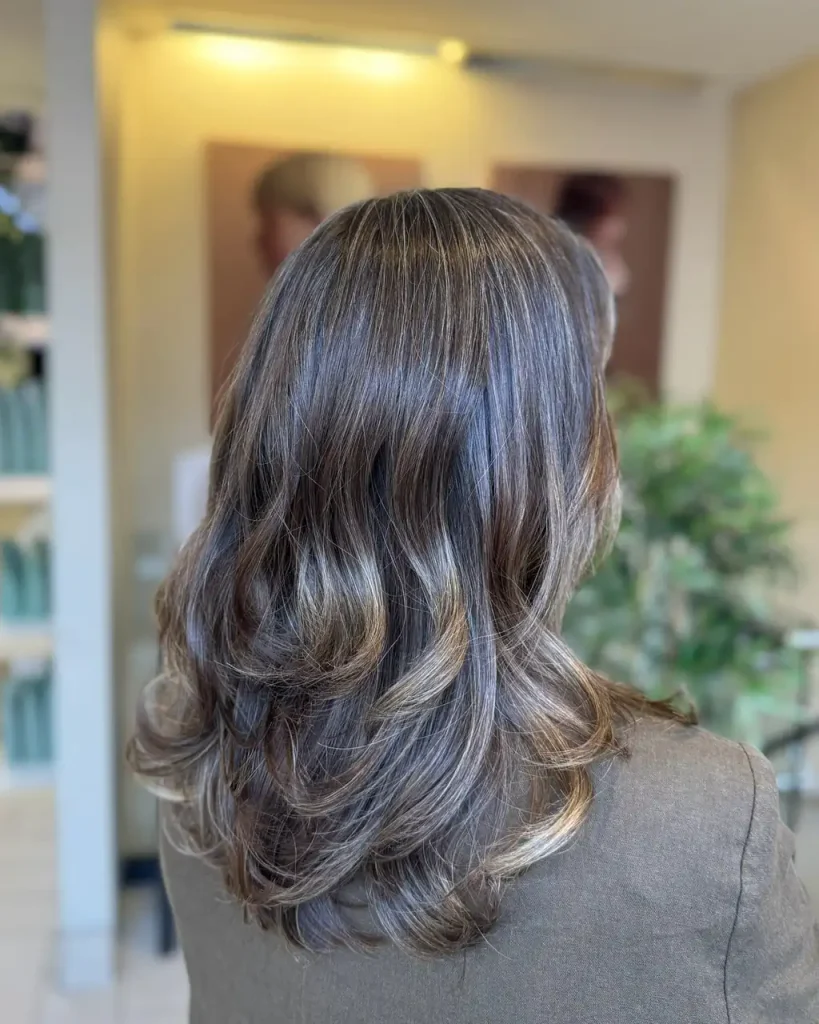
A strong root line can make even a great color look unfinished. Silver or white roots against dark dye create a stripe at your part, and it draws attention right away.
This line also shows how different your chosen color is from your natural shade, bringing back the contrast issue. Waiting longer between appointments doesn’t help if the color grows out with a sharp edge.
The Fix
Design the grow-out, not just the fresh color. Gray blending weaves silver into a multi-tonal pattern, so new growth becomes part of the look instead of sitting on top. A root smudge, shadow root or scattered lowlights can soften the transition. If a harsh line appears within two weeks, ask for a base closer to your natural level. The goal isn’t to hide every gray hair; it’s to avoid a sharp, straight border as it grows.
9. Fighting Every Gray With Heavy Opaque Dye
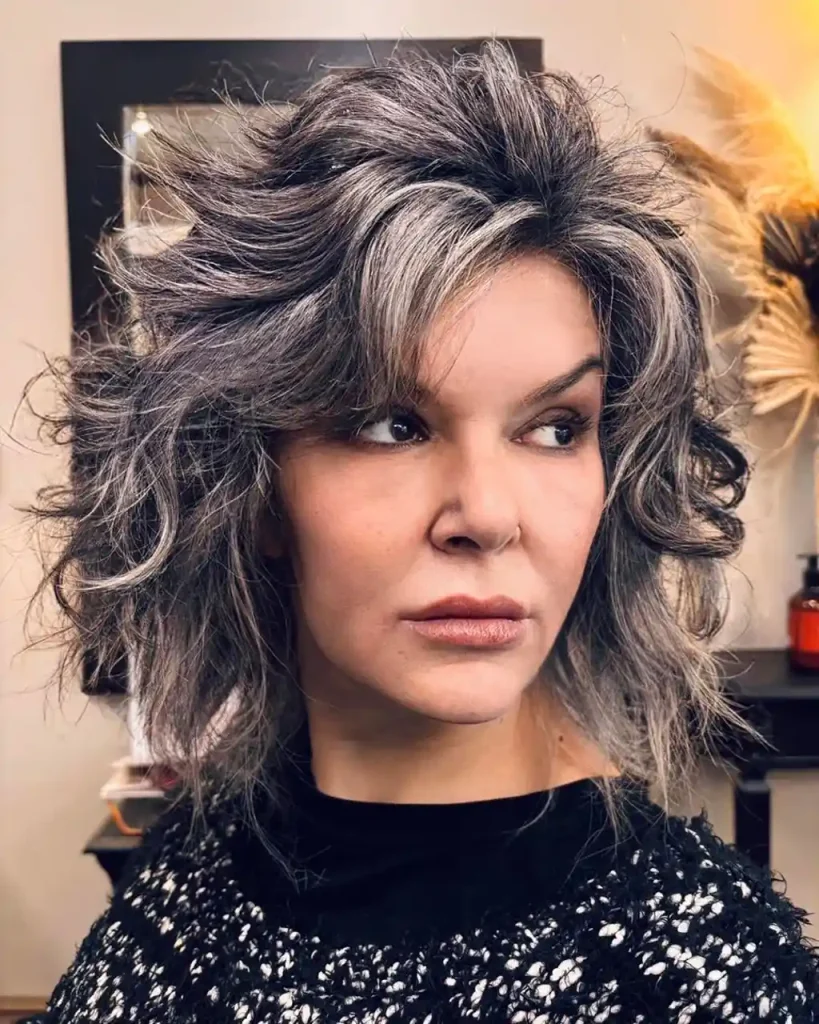
Trying to cover every gray hair can have the opposite effect. Solid permanent color often looks heavy at the roots, then fades unevenly on older, more porous hair.
New silver hairs stand out against the dark color, so you end up touching up more often. For some women, the result looks harsh because the hair loses the natural variation that uncolored hair still has.
The Fix
Let placement do the hiding. Smoky gray tones, fine highlights and deeper lowlights can blend silver while keeping depth and movement. You can also embrace a polished silver blend with glossy styling and a precise cut. If you prefer stronger coverage, soften the base by one level and add dimension through the lengths. This makes regrowth less noticeable than a single, flat shade.
10. Coloring Hair That Is Already Stressed
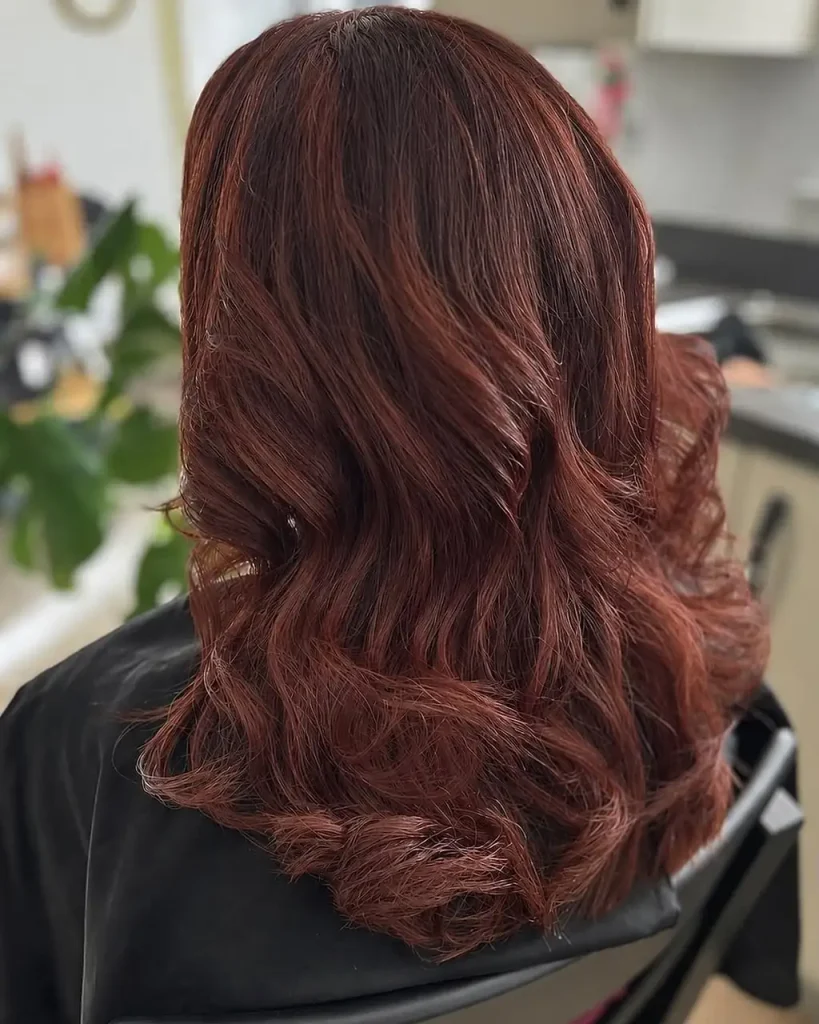
Damaged hair can’t hold color evenly. Porous ends soak up dye and turn too dark, weak sections fade to a brassy shade, and rough texture scatters light instead of reflecting it.
Adding more color to stressed hair often makes it look older, even if the formula is correct. That’s why a color can look rich in a photo but dull on hair that’s been lightened, heated, or colored too often.
The Fix
If your hair feels stretchy, rough or fragile, schedule a care appointment before changing the color. Start with a trim, bond treatment and clear or lightly tinted gloss. Color can come later, once your hair feels healthier. Smooth, glossy mahogany copper shows how shine can refresh a familiar shade. Healthy-looking hair can make a noticeable difference before you change the color itself.
11. Leaving the Front Too Dark
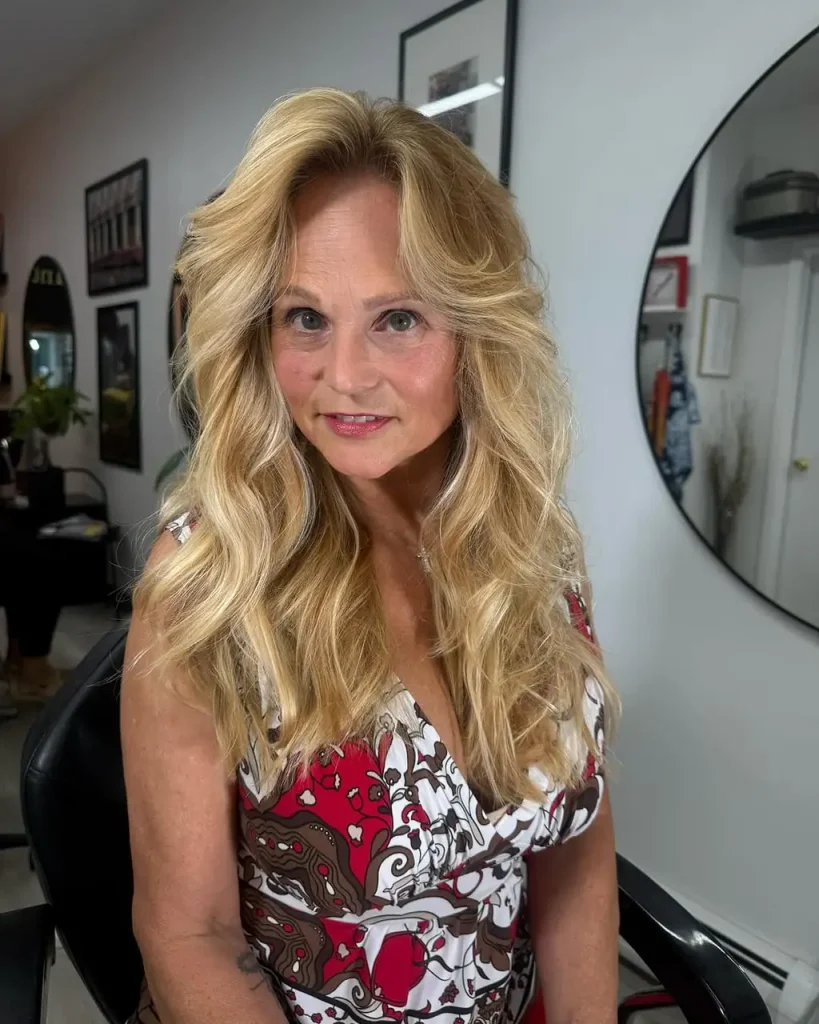
Many color plans brighten the back and lengths but forget the two most important sections, the pieces that frame your face. If these stay dark and heavy, your face can look shadowed while the hair behind it looks fresh.
It’s easy to miss this when checking the back in the mirror, but it’s what everyone else sees. A dark hairline can also make a softened base look harsh again.
The Fix
Add a soft money piece or face frame that blends naturally at the roots. It doesn’t need to be blonde or bold. On brunette hair, caramel or chestnut one to two levels lighter can brighten the cheeks and eyes. On blonde hair, keep the front bright and add a little depth behind it. Ask your colorist to check the hairline in daylight before you leave, as salon lighting can hide overly heavy front pieces.
12. Picking a Red That Fights Your Skin
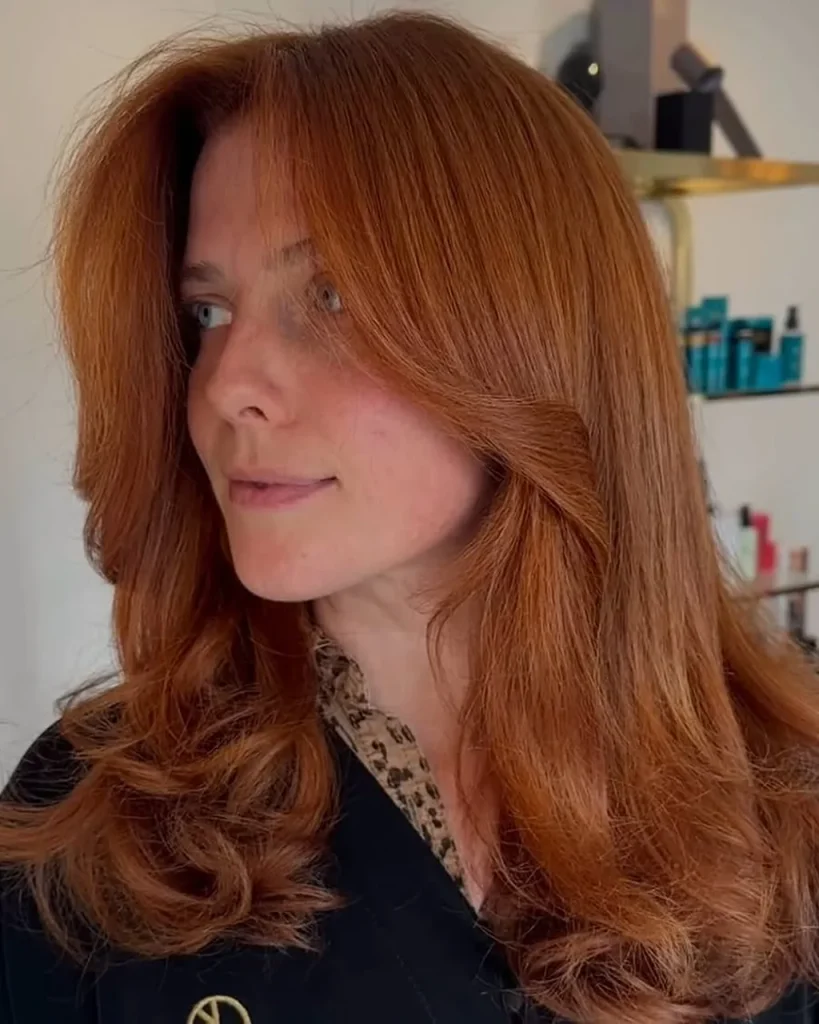
Red is a strong color because it’s close to the tones already in your skin. The wrong red can make your face look even redder, turn it orange, or make cool skin look bruised and tired.
Blue-black burgundy can feel as harsh as black, while bright orange copper can make warm skin look too hot. But red itself isn’t the problem. A rich, multi-toned red can be one of the best ways to bring life back to fading brunette hair.
The Fix
Choose your red shade by temperature and depth, and keep brown in the mix. Balanced cowboy copper adds warmth and gloss without looking neon. For a deeper option, our dark brown hair with burgundy highlights shows how wine-toned pieces can add dimension without covering the brown base. If your skin flushes easily, keep the front pieces slightly softer than the lengths.
The Younger Swap Table
| Mistake | Younger Swap |
|---|---|
| A dramatic jump from your natural shade | A shorter step, within about two levels |
| Dense near black color | Chocolate or chestnut lifted one or two levels |
| Pale blonde with no depth | Golden blonde with a deeper root zone |
| Ash that grays the skin | Honey, caramel, cognac or soft gold warmth |
| A tone against your undertone | Auburn, copper or wine matched to skin temperature |
| One flat color root to tip | Fine highlights, lowlights and a soft root |
| Chunky frosted highlights | Fine ribbons, babylights and a blended face frame |
| A hard gray root line | Gray blending, root smudge and scattered lowlights |
| Opaque dye over every gray | Smoky dimension that camouflages or embraces silver |
| New color on stressed hair | Repair, trim and shine before the shade change |
| A dark, heavy front | A soft money piece or lighter face frame |
| A red that fights the skin | Brown-based copper, auburn or burgundy |
Choosing Your First Fix
Don’t try to fix everything at once. These hair color mistakes that make you look older, but it’s easier to correct them one at a time. Focus on the issue that shows up in every photo, not just what you see under bathroom lights. If roots are your main concern, blend them before picking a new shade. If the tone feels off, adjust the warmth or coolness before going lighter. If your hair feels fragile, work on its health before adding more color. If the color looks good from the back but seems dull in front, start by fixing the placement.
Bring three photos to your appointment: one of your hair in daylight, one that shows a depth you like, and one that shows a tone you like. Tell your colorist which of the four areas you want to focus on. Save this post before your visit, share it with a friend who always picks the same shade, and use the swap table as your checklist for hair color mistakes that make you look older. The most youthful color isn’t always the lightest or the newest. It’s the one where the level, tone, placement, and shine all suit your face.
Frequently Asked Questions
Q1. Can a different parting make the same hair color look younger?
Yes, changing your part can help hide a visible root line, bring brighter pieces next to your face, and make flat color look softer right away.
Q2. Should eyebrows be softened when hair color is softened?
Often yes. Dark, strong brows can keep the old contrast, but a softer brow shape helps lighter hair frame your face more naturally.
Q3. Does a warmer hair shade still work on skin with visible redness?
Yes, pick warm browns like auburn, chestnut, or soft copper. Pure orange and bright red shades are more likely to highlight redness.
Q4. How often should a shade you have worn for years be reassessed?
Check your shade every two to three years, or sooner if your skin, brows, or gray hair change a lot. A favorite color may stop matching your face over time.
Q5. Can lowlights make pale blonde hair look younger without going brunette?
Yes, adding a few deeper golden or light brown strands brings back shadow and contrast. This keeps your blonde looking natural and full, without losing its overall blonde look.
Q6. Is silver hair more flattering worn smooth or with waves?
Both styles can look good. Shine and neat edges matter more than texture. Smooth hair shows off silver brightness, while waves add movement and soften the contrast with your face.